SERVICES
School & System Planning
Building instructional clarity that strengthens professional capacity.
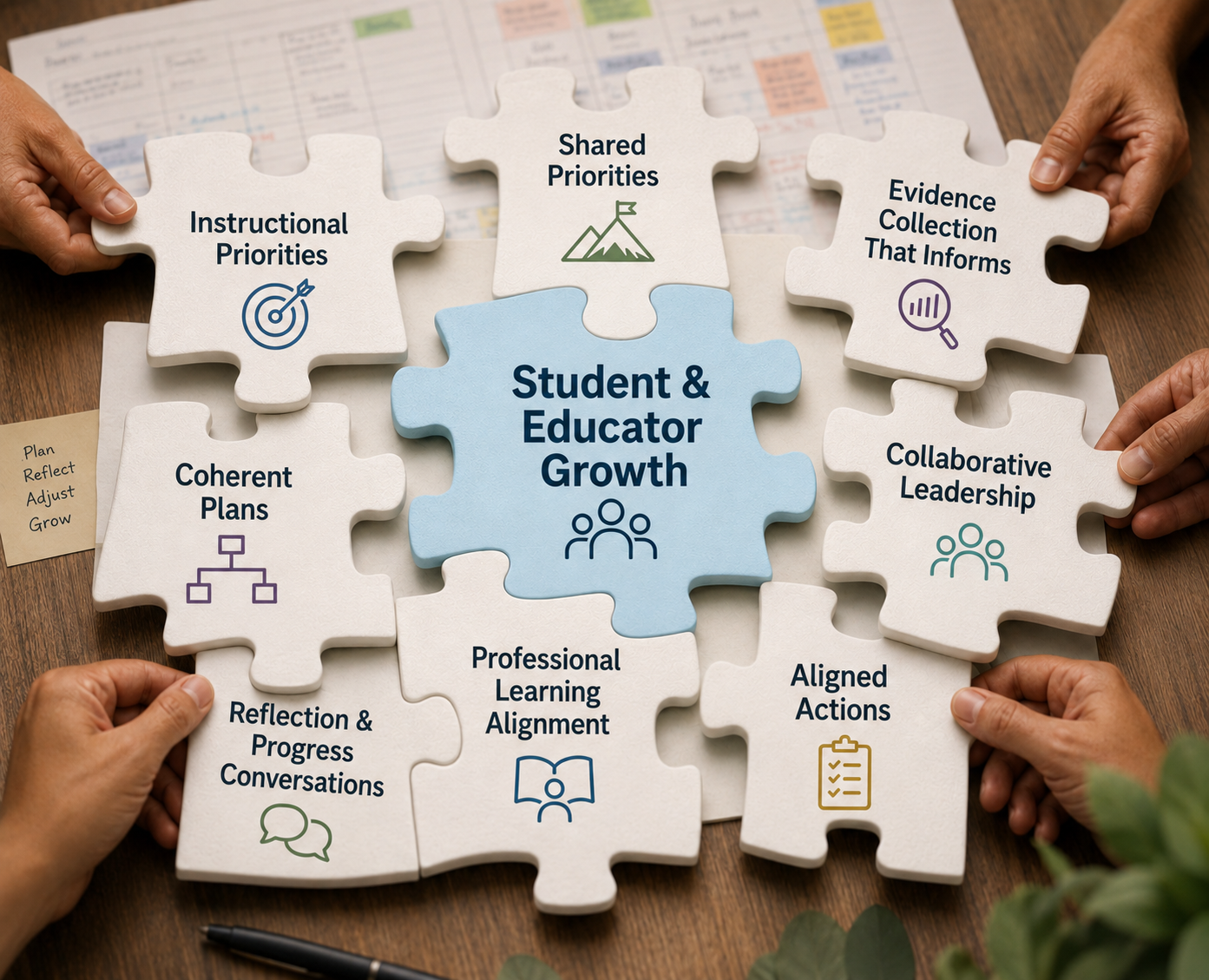
Effective school and system planning begins with clarity about the instructional priorities that matter most and the learning schools are working to strengthen.
I partner with school and system leaders to develop coherent improvement plans that connect those priorities with educator learning, instructional practice, evidence, and leadership action.
The goal is not simply to create a plan. It is to build the shared understanding and professional capacity needed to use the plan to guide decisions, strengthen practice, and continually improve teaching and learning over time.
Examples of support include:
Clarifying instructional priorities.
Developing coherent school and system improvement plans.
Designing educator learning aligned with instructional priorities.
Developing practical processes for gathering and examining evidence.
Supporting leadership teams in monitoring progress, reflecting on learning, and determining next steps
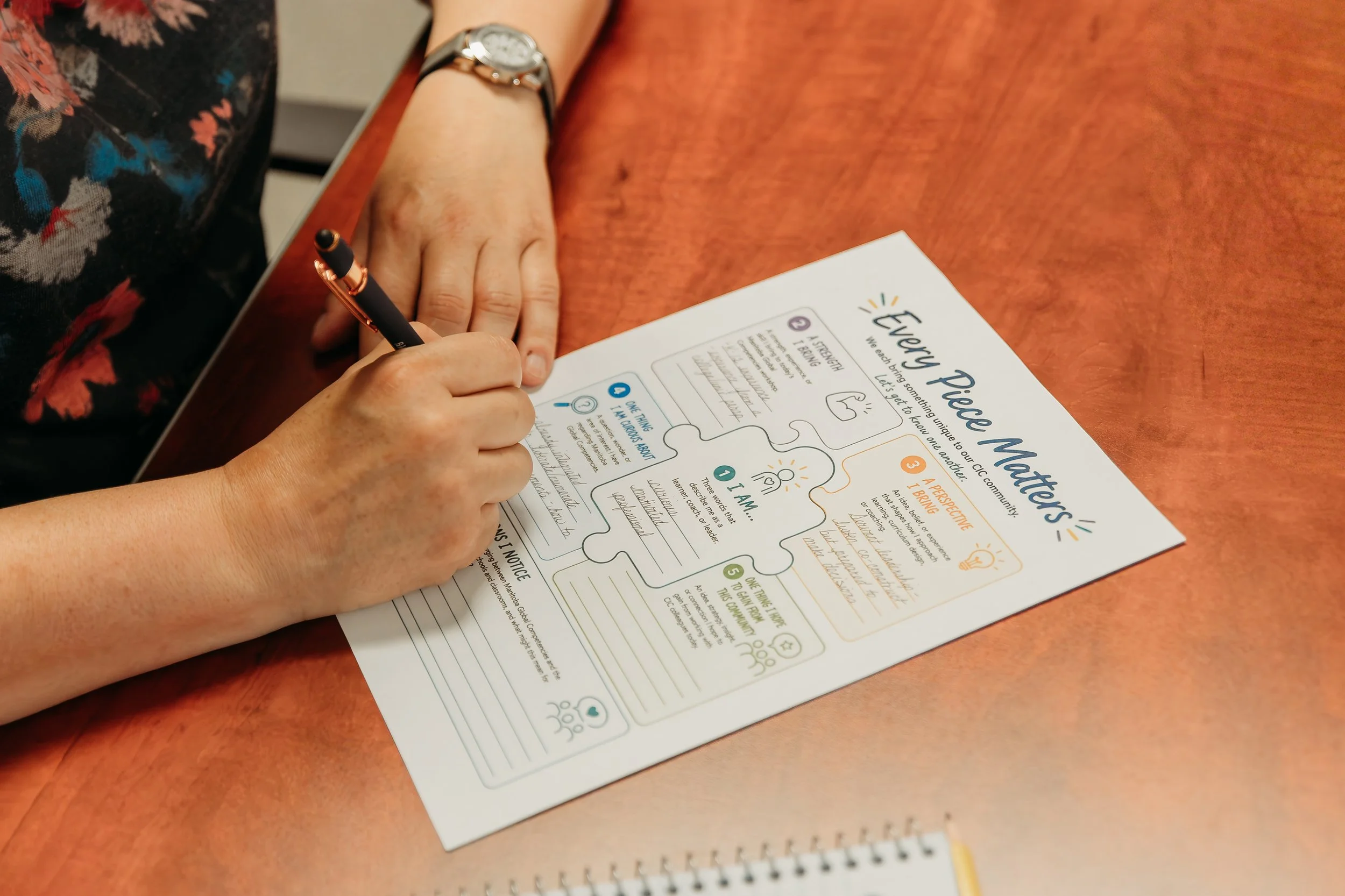
Leading Educator Learning
Strengthening the capacity of instructional leaders to lead educator learning.
Leading educator learning involves more than instructional coaching. It requires intentionally creating the conditions for adult learning, using evidence to identify learning needs, designing and facilitating meaningful educator learning, and supporting the application of new learning in practice.
I partner with instructional leaders to strengthen their capacity to lead this work in ways that build professional knowledge, instructional expertise, and professional judgment over time.
Instructional leadership is not defined by a particular job title. This work may be led by principals, vice-principals, instructional coaches, resource teachers, teacher-librarians, continuous improvement coaches, divisional specialists, consultants, or others responsible for supporting educator learning and practice.
EXAMPLE OF SUPPORT INCLUDE:
Creating the conditions for adult learning.
Making sense of evidence to identify educator learning needs and priorities.
Designing educator learning aligned with school and divisional priorities.
Facilitating collaborative inquiry, instructional coaching, and educator learning.
Supporting the application of new learning through coaching, feedback, reflection, and evidence.
Developing sustainable structures and processes for leading educator learning over time.
Professional Learning & Workshops
Strengthening professional capacity through intentionally designed educator learning.
Professional learning is most effective when it is grounded in clearly defined instructional priorities, evidence of student and educator learning, and the professional learning needs of educators. Learning experiences are designed in response to the context of each school or system and focused on strengthening the professional knowledge, instructional expertise, and professional judgment educators need to make increasingly informed instructional decisions.
Professional learning can include focused workshops, collaborative planning, facilitated inquiry, and sustained learning over time. The purpose is not simply to introduce new practices, but to help educators deepen their understanding, apply new learning in practice, and continually strengthen teaching and learning.
EXAMPLE OF SUPPORT INCLUDE:
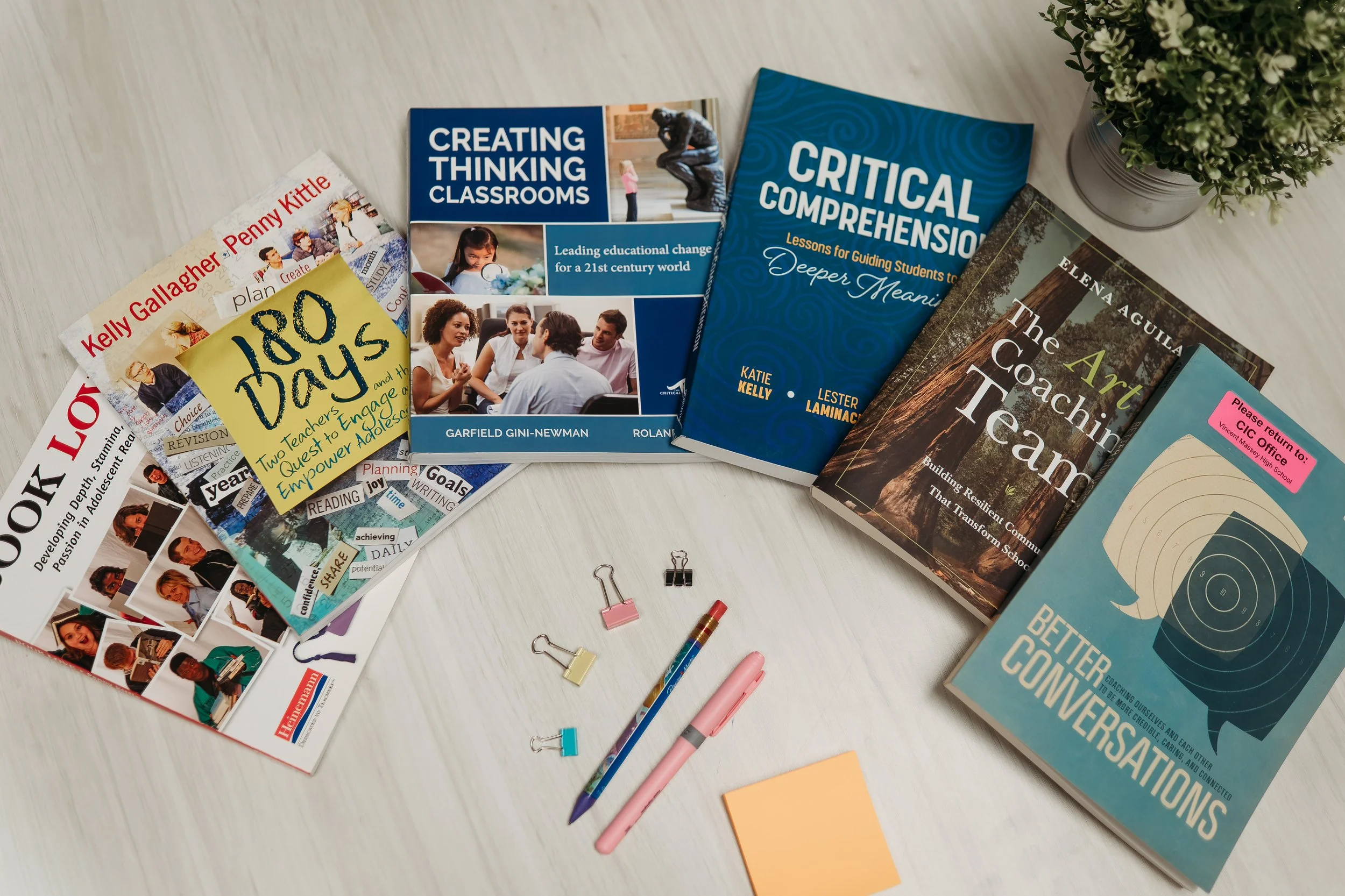
Designing literacy-focused educator learning in reading, writing, and critical thinking.
Facilitating collaborative planning for units, authentic learning experiences, and assessment.
Strengthening evidence-informed instructional practices that respond to the diverse strengths and needs of learners.
Designing leadership and staff learning aligned with school and divisional priorities..
Resources for Educators & Instructional Leaders
Practical resources that extend educator learning into everyday professional practice.
Observable Learning Co. develops practical resources that help educators and instructional leaders translate professional learning into everyday classroom and leadership practice. Designed to support planning, implementation, reflection, and ongoing educator learning, these resources help strengthen professional knowledge, instructional expertise, and professional judgment over time.
Resources are designed to be practical, adaptable, and grounded in the realities of schools and classrooms—supporting educators and leaders as they apply learning, make increasingly informed decisions, and strengthen practice within their own contexts.
EXAMPLE OF SUPPORT INCLUDE:
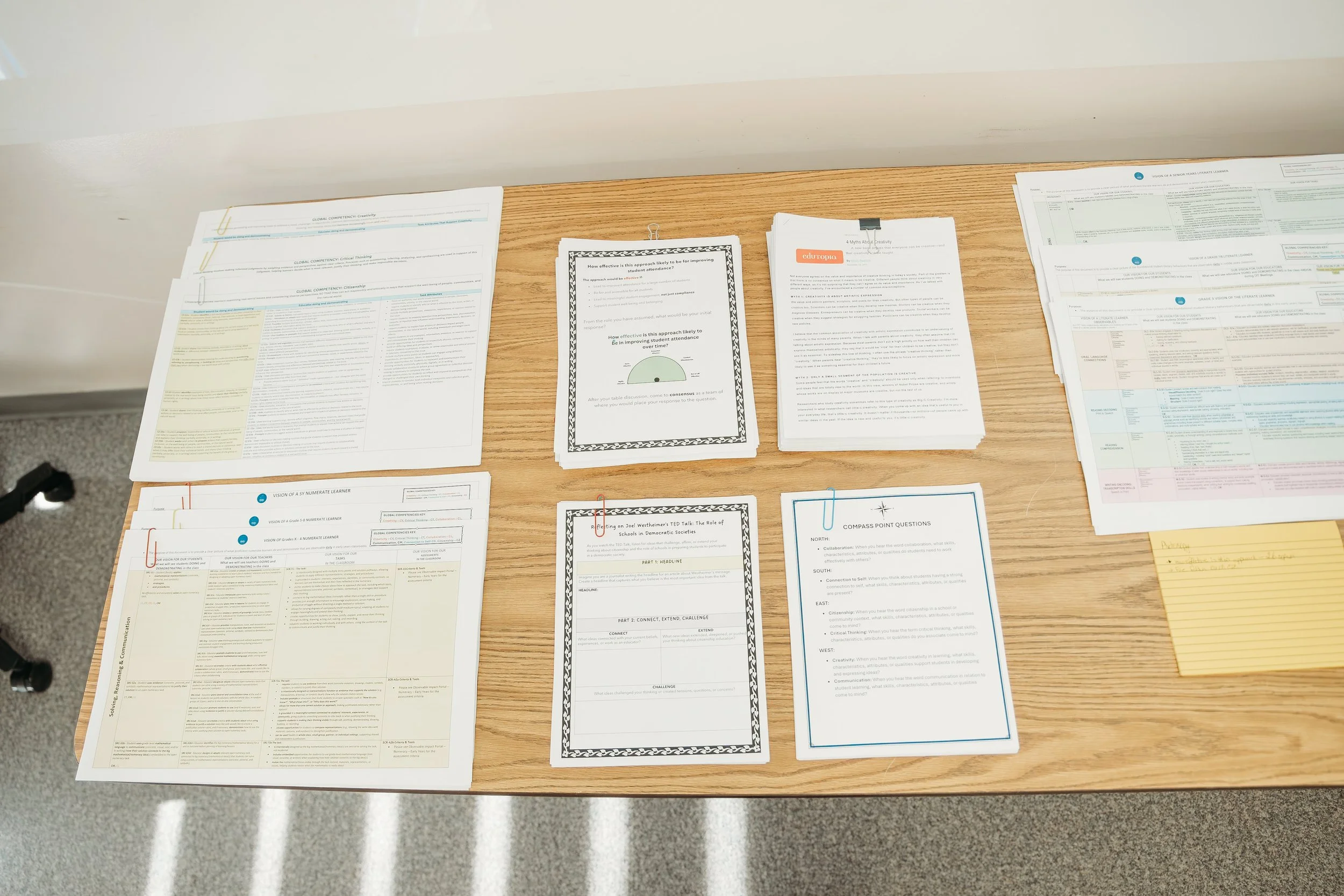
Unit and lesson planning resources.
Reading, writing, oral language, and critical thinking resources.
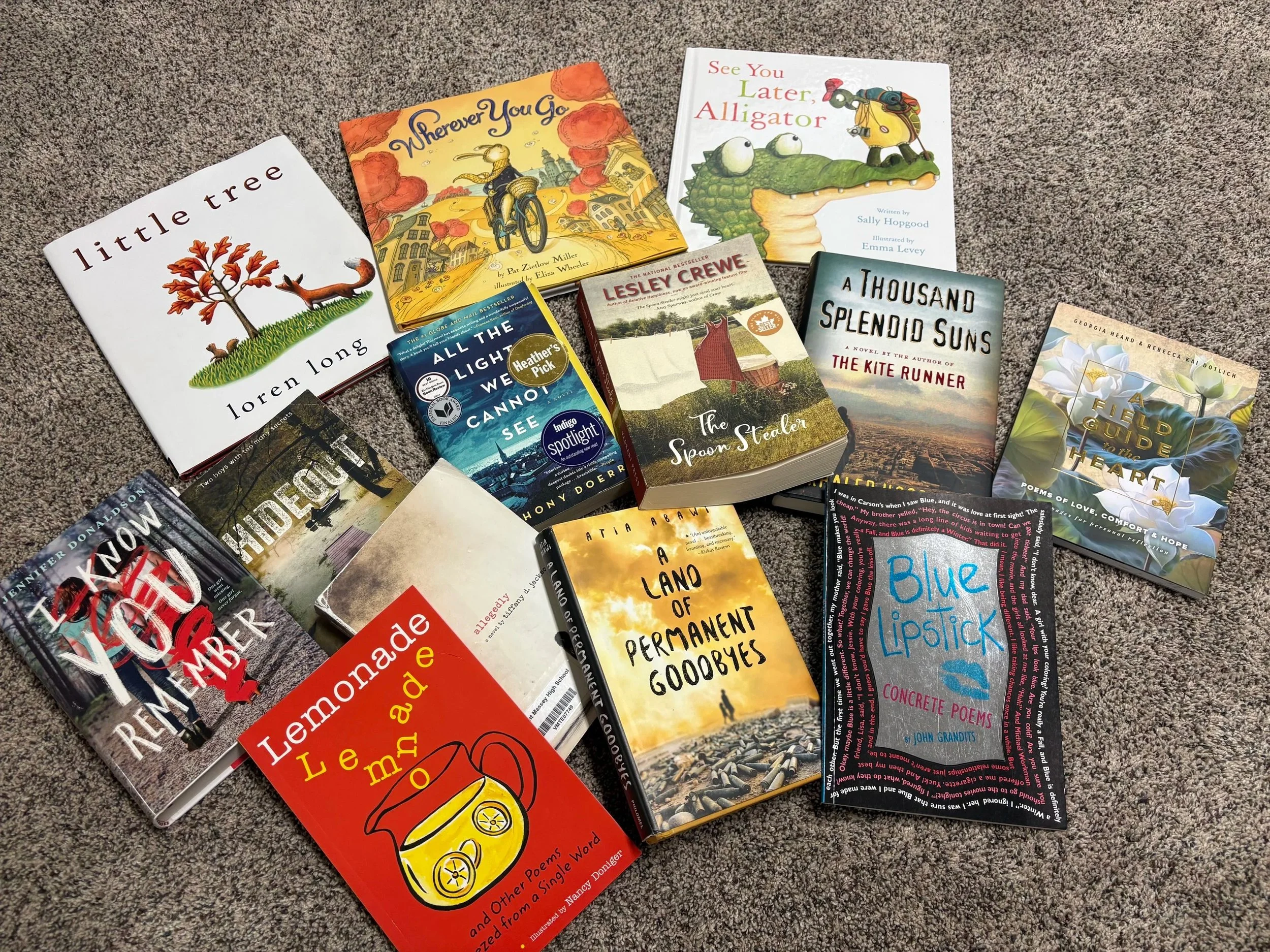
Mentor text collections and classroom library recommendations.
Authentic learning tasks, assessment resources, and instructional planning tools.
Resources that support responsive instruction for diverse learners.
Leadership, coaching, and school planning tools that strengthen professional capacity.